June 11, 2026
The global construction sector is undergoing an unprecedented expansion period. As urban populations swell and commercial infrastructure demands escalate, the built environment is expanding at an astonishing rate. While this rapid development serves as a powerful engine for economic growth and modernization, it simultaneously introduces severe logistical and environmental strains, particularly within global waste management systems.
The process of building, renovating, and demolishing physical structures generates an astronomical volume of debris that threatens to overwhelm municipal systems. To mitigate this mounting challenge, developers are moving away from disorganized, self-managed disposal and are actively partnering with a professional dumpster rental company to handle their debris workflows. Managing this output requires a thorough understanding of current market dynamics, material lifecycles, and sustainable logistics to balance building growth with environmental care.
1. Overview of Construction Industry Growth
The driving forces behind the current construction boom are rooted in global urbanization and population shifts. As millions of people relocate to metropolitan areas, the demand for high-density residential complexes, commercial hubs, and public transit infrastructure reaches new heights. Additionally, government initiatives focused on modernizing aging public roads and utility systems add massive momentum to this building activity.
According to Grand View Research, rising construction projects in the U.S. is expected to increase the demand for construction and demolition waste management over the forecast period. This sustained building surge means that managing site cleanliness is no longer a minor detail; it is a critical operational priority. Consequently, project managers frequently secure long-term service agreements with a reliable dumpster rental company to handle the heavy volume of materials arriving and leaving their job sites daily.
The economic impact of this building boom extends far beyond immediate real estate valuations, serving as a primary driver for job creation and GDP contribution. The sector supports an extensive workforce, ranging from raw material suppliers and trade subcontractors to architectural firms and specialized transport providers.
Forward-looking market projections indicate that this expansion will continue, supported by the integration of smart building technologies and green architectural designs. However, this positive economic trajectory requires strict attention to secondary operational costs, especially site maintenance. Ensuring that debris removal keeps pace with rapid structural assembly is essential to prevent costly project bottlenecks.
2. Types of Waste Produced by the Construction Industry
Debris from building sites is classified based on its material properties to determine whether it can be recycled, reused, or sent to a landfill. The vast majority of this material consists of inert substances like concrete blocks, bricks, asphalt, and masonry rubble, which are heavy but pose minimal chemical risk.
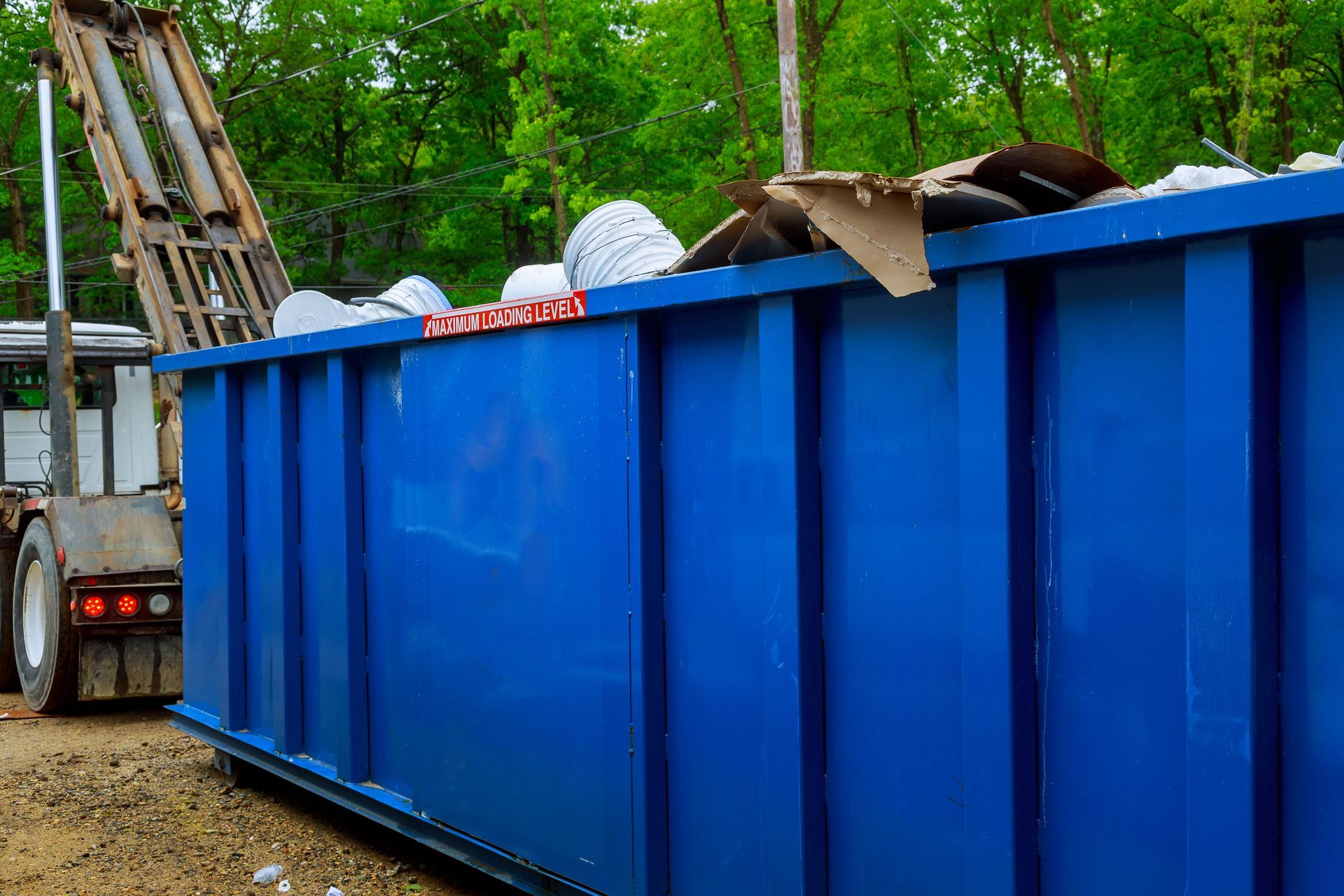
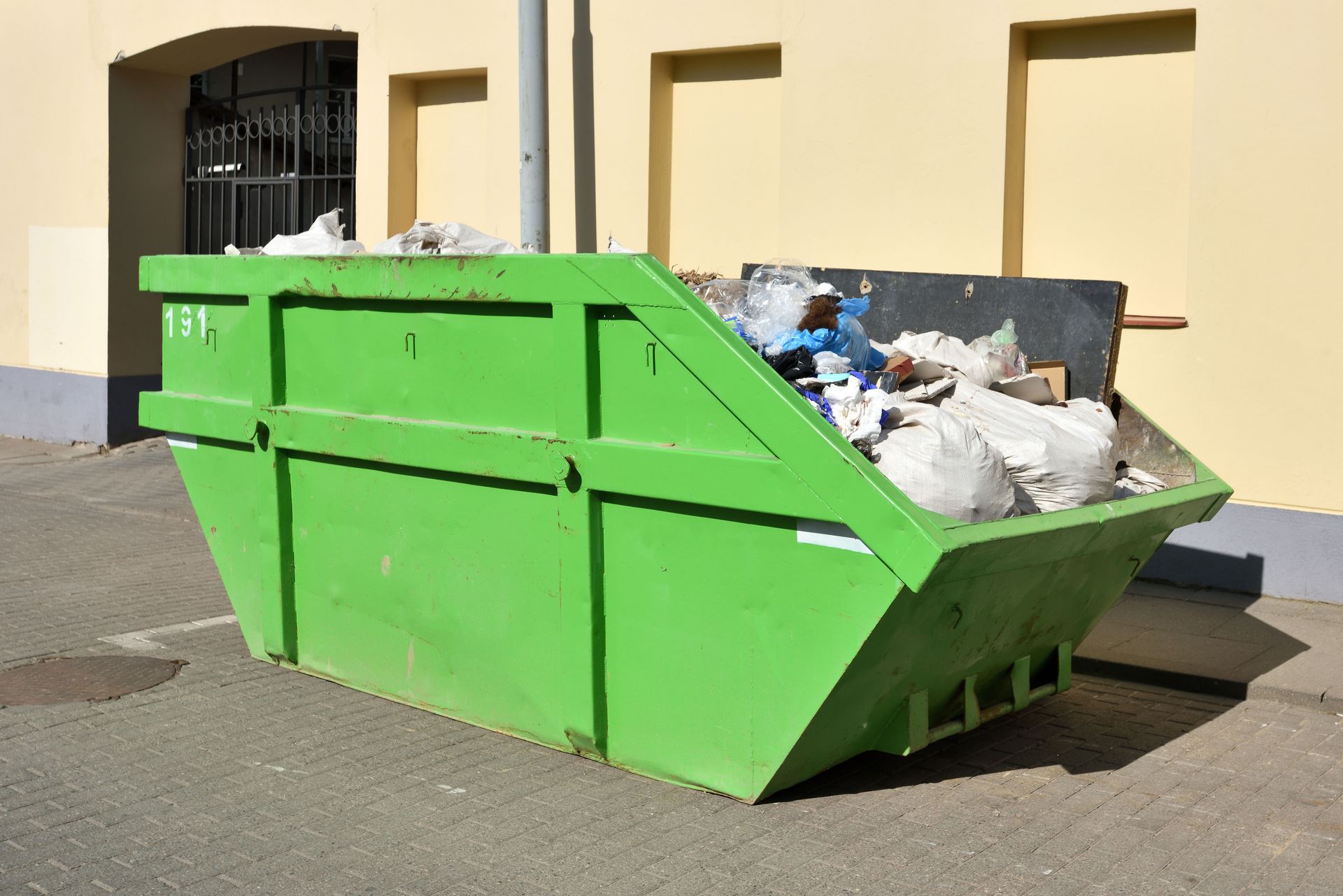
In contrast, non-inert waste streams include structural lumber, drywall, plastics, and various scrap metals generated during the framing and finishing stages. To keep these massive material streams organized and prevent mixed-load penalties, site managers often position multiple bins from a local dumpster rental company across the job site, with each container dedicated to a specific type of debris.
While inert materials make up the bulk of site waste, hazardous components represent a significant safety and legal challenge. Demolishing older buildings frequently uncovers toxic substances like asbestos insulation, lead-based paint, mercury switches, and treated timbers, all of which require specialized handling to protect workers and local ecosystems.
Accurately quantifying these waste streams requires detailed project planning and real-time tracking systems. By assessing structural dimensions and material types before the first shovel hits the dirt, contractors can coordinate with their chosen dumpster rental company to ensure they have the exact container sizes and delivery schedules needed to maintain a safe, fully compliant workspace.
3. Environmental and Health Impacts of Construction Waste
Poorly managed building debris causes immediate environmental damage. When mixed waste is piled carelessly on-site or dumped illegally, rainwater washes toxic chemical residues, heavy metals, and adhesive runoff into local groundwater systems and nearby streams. On a global scale, sending recyclable materials like wood, metal, and concrete straight to landfills fills up valuable land space and accelerates resource depletion by forcing industries to mine and process fresh raw materials.
Furthermore, transport vehicles hauling small, uncoordinated loads over long distances increase total fuel consumption, raising the carbon footprint of the entire build. The safety risks of unmanaged construction debris impact both on-site crews and surrounding neighborhoods. Fine silica dust from crushed concrete, along with loose fiberglass particles and mold spores from old drywall, can easily blow off unsecured job sites and compromise local air quality, triggering respiratory issues for nearby residents.
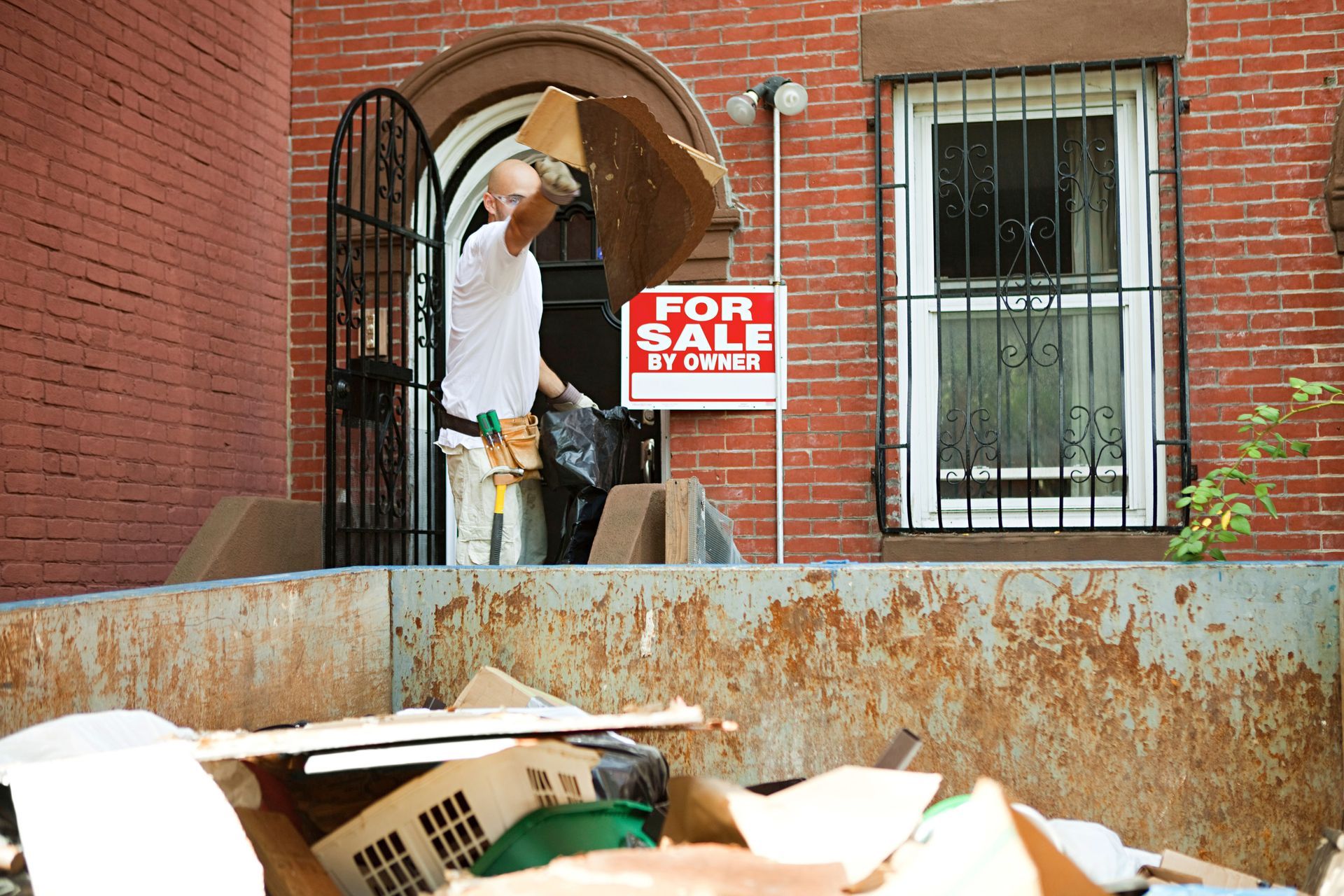
On the job site itself, scattered lumber, loose metal shards, and unorganized debris piles create immediate tripping hazards, falls, and puncture risks. Maintaining a safe, productive workspace requires clear, designated disposal zones where workers can drop debris safely throughout the day.
4. Current Waste Management Practices
Historically, the default solution for construction waste was simple: load everything into a single haul truck and dump it at the nearest landfill. However, rising tipping fees, strict municipal rules, and dwindling landfill space have made this approach unsustainable. Modern developers are leaving these old methods behind in favor of organized source-separation systems.
To execute this strategy smoothly, managers rely on a professional dumpster rental company to supply dedicated bins for concrete, wood, and scrap metal, ensuring that valuable materials are sorted for recovery.
Advancements in sorting technology have significantly increased the recycling potential of building debris. Industrial processing facilities now utilize magnetic separators, air classifiers, and heavy-duty crushers to transform concrete blocks into high-grade road base and convert scrap wood into reusable mulch.
At the same time, strict green building standards like LEED push contractors to hit specific waste diversion targets. Meeting these strict environmental benchmarks requires clear documentation from your dumpster rental company, confirming the exact weight of diverted materials to maintain full compliance with local building policies.
5. Strategic Frameworks for Waste Reduction
True waste reduction begins long before construction crews arrive on-site. Architects and engineers are increasingly using building information modeling (BIM) software to calculate material orders precisely, cutting down on over-ordering and waste.
A waste reduction plan is only as good as the team executing it. Ensuring success requires clear communication and training for every subcontractor on-site, making sure everyone understands which bin to use for different materials.
Contractors must actively monitor their waste diversion rates throughout the project, reviewing haul receipts and adjusting their bin layouts as the project moves from rough framing to interior finishing. This ongoing oversight keeps the site clean, organized, and running efficiently.
6. The Role of Government and Policy in Waste Management
Government bodies use a combination of strict regulations and financial rewards to drive sustainability in the construction sector. Many municipalities now require developers to submit detailed waste management plans before issuing building permits, mandate minimum recycling rates for large commercial builds, and fine companies that mismanage site waste.
To support these efforts, states often provide tax credits, grants, and subsidies to firms that invest in green building methods, making sustainable practices financially attractive for developers.
The continued growth of the construction sector brings both valuable economic progress and serious waste management challenges. To protect local ecosystems and maintain neighborhood safety, the building industry must continue moving toward organized, sustainable waste solutions. By prioritizing modern planning software, implementing strict source-separation systems, and recycling materials whenever possible, modern developers can significantly lower their environmental footprint.
For reliable equipment, transparent volume pricing, and professional hauling schedules tailored to your project's unique demands, partner with a dedicated dumpster rental company like Crosby Construction to keep your building site clean, safe, and fully compliant from start to finish.