April 6, 2026
Residential demolition projects generate a significant amount of waste, from old lumber and drywall to concrete and roofing materials. Managing this debris efficiently is crucial to keeping your project on schedule, within budget, and compliant with local regulations. Dumpster rentals play a pivotal role in this process, providing a convenient and organized solution for debris disposal. Among the options available, a dumpster stands out as an ideal choice for residential projects, offering the perfect balance of capacity, accessibility, and cost-effectiveness. Understanding how to select, schedule, and use a dumpster rental can make the difference between a smooth demolition and unnecessary delays or added expenses.
The Role of Dumpster Rentals in Residential Demolition
Dumpster rentals play a critical role in managing the waste produced during residential demolition. The process involves renting a dumpster from a service company, which is then used to collect and dispose of construction debris. Typically, the rental includes both delivery and pickup, providing convenience and flexibility for project timelines. Various sizes of dumpsters exist to cater to different project needs, with the 20-yard option being particularly popular for residential jobs. This specific size balances load capacity with the maneuverability needed in typically space-constrained residential areas.
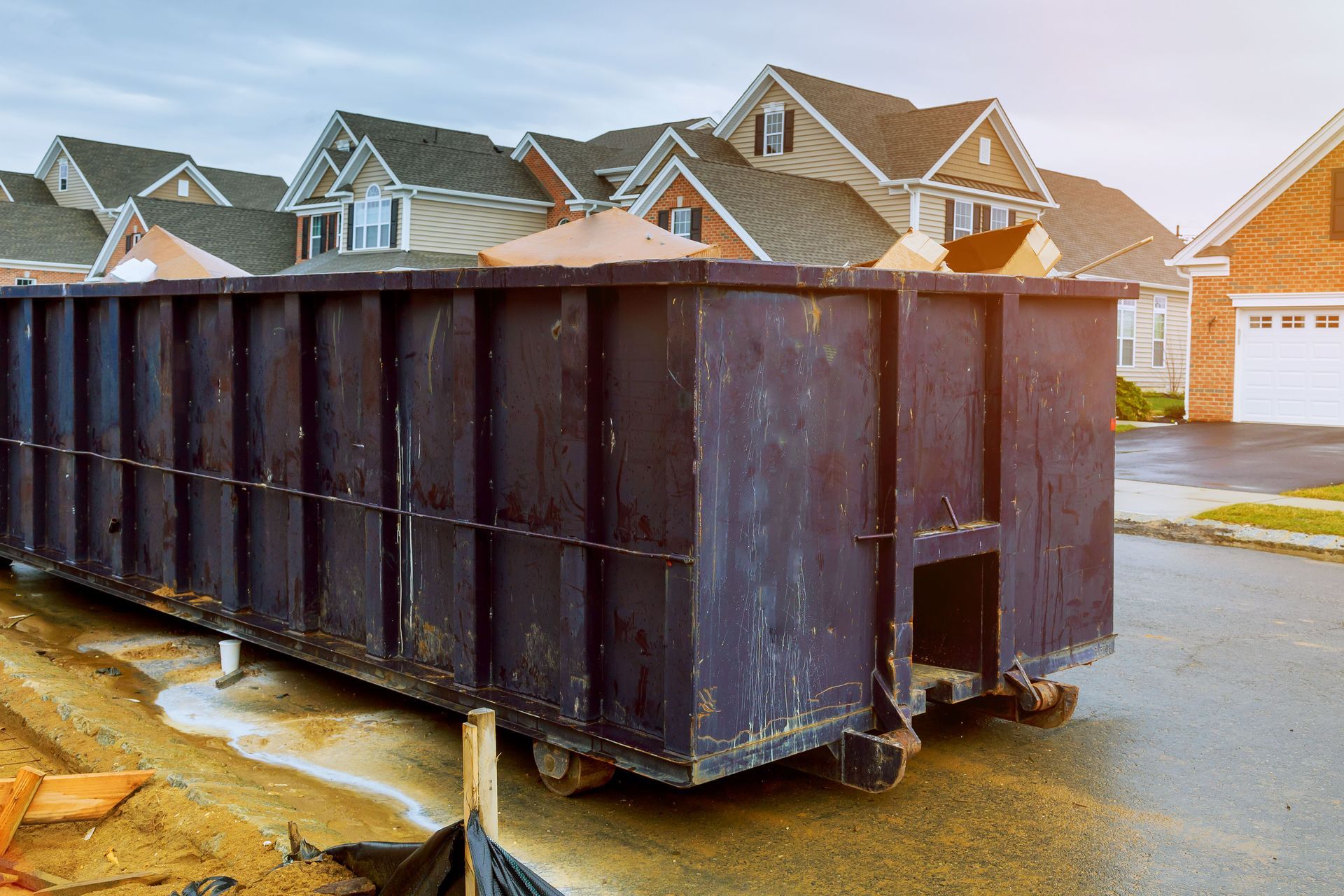
A 20-yard dumpster is an ideal choice for residential demolition projects due to its size and versatility. It offers the capacity to hold substantial volumes of waste—about 10 to 12 pickup truck loads—without requiring excessive space for placement. This particular size is suitable for a variety of demolition tasks, from small-room renovations to entire home remodels. Additionally, it is a cost-effective option, allowing homeowners to manage waste without resorting to more frequent, smaller-scale collections. According to Curb Waste, 10-20 yard containers serve primarily residential customers, underscoring their utility and popularity in home-focused projects.
Assessing the specific needs of a demolition project is critical to choosing the right dumpster rental. Factors to consider include the scale of the demolition, types of materials being disposed of, and the expected volume of waste. A well-conceived plan can significantly aid in determining whether a dumpster will meet the project requirements. Moreover, project managers should evaluate logistical considerations such as space availability and access for delivery and pickup of the container. Proper upfront evaluation ensures that the selected dumpster supports efficient and effective waste management throughout the project's lifecycle.
Different types of residential properties require tailored approaches to demolition waste management. Single-family homes might face fewer constraints compared to multi-unit buildings, which often require more careful planning due to tighter spaces. Adjusting for the specific architectural layout, waste characteristics, and potential hazards is crucial when choosing a dumpster rental strategy. For example, homes with large yards might easily accommodate larger dumpsters, whereas urban row houses might necessitate smaller, more frequent pickups. As each type of residence poses unique challenges, dumpster selection must be adapted to ensure optimal effectiveness and safety.
Benefits of Using 20 Yard Dumpster Rentals
Utilizing a dumpster rental can lead to significant cost savings for residential demolition projects. Larger initial capacities translate to fewer overall collections, minimizing transport and rental costs. In comparison, smaller dumpsters may incur higher expenses due to the need for frequent replacements as they fill quickly. Furthermore, alternative waste disposal methods, such as hiring a junk removal service, often carry higher per-unit costs. By opting for a dumpster, homeowners can effectively manage expenses while efficiently handling the sizeable waste output of demolition projects.
Urban demolition projects often grapple with space constraints that complicate waste management. Here, the 20-yard dumpster offers a viable solution, combining substantial capacity with suitability for limited spaces. This size's ability to fit in driveways or small yards without obstructing streets or sidewalks is a key advantage. Careful assessment of urban layouts and regulations facilitates optimal placement, ensuring accessibility without causing disruption. As municipalities tend to have strict guidelines, renting the appropriately sized dumpster becomes vital to maintaining compliance and operational efficiency in congested areas.
Efficiency in waste disposal can greatly accelerate residential demolition timelines. The large capacity of a 20 yard dumpster reduces the frequency of waste pickups, thus allowing continuous progress with minimal interruptions. With fewer halts to accommodate waste removal, demolition teams can maximize their working hours and optimize labor utilization. In addition, the simplicity of a single, well-placed dumpster streamlines the process, eliminating confusion and delays associated with coordinating multiple smaller containers. By minimizing time devoted to waste management, projects can remain focused, leading to timely completion and cost savings.
Opting for a 20-yard dumpster can encourage environmentally conscious demolition practices. Large containers facilitate proper segmentation and containment of materials, enabling more effective recycling efforts. This systematic approach to disposal helps reduce the project's carbon footprint by diverting reusable materials from landfills. Additionally, fewer trips to waste facilities mean lower emissions from transport vehicles. Partnering with a rental company that emphasizes recycling and sustainable practices further enhances the ecological benefits of using a 20-yard dumpster.
Steps to Renting a 20 Yard Dumpster
Selecting a reputable dumpster rental company is critical to a successful residential demolition project. Prospective clients should research various companies, focusing on reviews, pricing, and service quality. Transparent pricing without hidden fees is an essential factor to consider. Additionally, companies with experience in handling residential projects tend to provide more personalized and knowledgeable service. A thorough vetting process ensures that the chosen provider aligns with the project's goals and expectations, facilitating a smooth waste management process from start to finish.
Reading and understanding the rental terms and conditions is vital when renting a 20-yard dumpster. These agreements typically outline the duration of the rental, pricing structure, and any additional fees that may apply. Familiarity with weight limits and prohibited materials helps prevent costly penalties and ensures compliance with regulations. Should questions arise, discussing uncertainties with the rental company's representative is advisable. Clear comprehension of contractual obligations prevents misunderstandings and allows project managers to plan successfully within the parameters of the service agreement.
Acquiring necessary permits and meeting legal requirements is a crucial step in renting a dumpster for residential demolition. Various municipalities have different regulations, and failure to comply can result in fines or project delays. Rentals impacting public space, such as street placements, often require permits and adherence to specific guidelines. Working closely with local authorities and the rental company ensures that all legal prerequisites are in place before beginning the demolition. Meticulous attention to these details simplifies the permitting process, paving the way for compliant and uninterrupted operations.
Proper scheduling of dumpster delivery and pickup is essential to aligning waste management with the overall demolition timeline. Early coordination with the rental company allows for setup on-site before demolition work commences. Timely pickups and replacements as the dumpster fills ensure uninterrupted workflow and avoid waste buildup. Communication with the provider facilitates adjustments and addresses any unforeseen changes or delays. This proactive approach in scheduling minimizes impact on the project schedule and maximizes operational efficiency throughout the demolition process.
Efficient waste management is a cornerstone of successful residential demolition, and a properly sized dumpster rental can simplify the process, save money, and even support environmentally responsible disposal. By planning carefully, choosing a reputable rental company, and coordinating delivery and pickup, homeowners and contractors can keep projects running smoothly from start to finish. Don’t let demolition debris slow down your renovation—rent the right dumpster from Crosby Construction today and take the first step toward a cleaner, safer, and more efficient project site.